






Rockwall, TX (March 21, 2026) – Across communities everywhere, spring means one thing: kids are back outside riding bikes, scooters, and exploring their neighborhoods again. For many families, it’s a simple joy of childhood – the freedom to ride down the street, meet friends at the park, or cruise around the block.
But as bikes and scooters evolve, so does the conversation around safety.
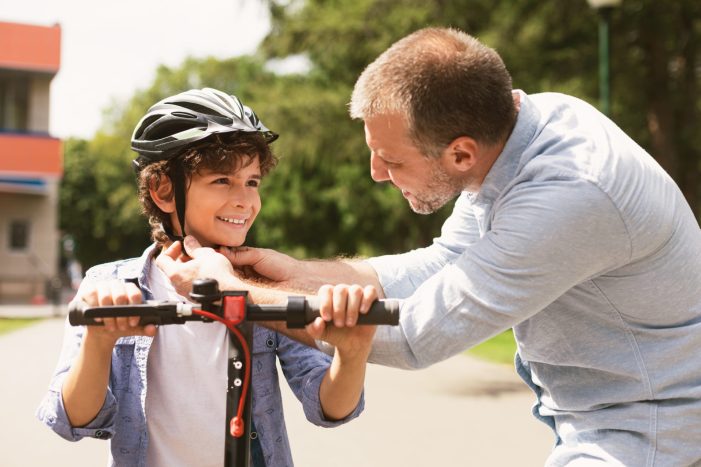
In recent years, electric bikes and scooters have become increasingly popular. Many e-bikes can travel 20–28 miles per hour, which means kids are covering ground quickly and making split-second decisions – judging driveways, curbs, traffic, and changing light conditions. Their instincts and reaction time are still developing, which makes one simple safety habit incredibly important: wearing a helmet at every ride.
Across the United States, hundreds of thousands of children visit emergency departments each year after bicycle-related injuries, and head injuries are among the most serious outcomes of those crashes. The encouraging news is that helmets are remarkably effective. Research shows they can reduce the risk of serious head and brain injury by up to 85 percent.
That’s why many parents make helmets part of the routine – just like buckling a seatbelt before a car ride.
Why Helmets Matter
Children’s brains are still growing and developing. Protecting that growth is one of the most important things we can do as parents.
Helmets help by:
• Absorbing impact during a fall or collision.
• Reducing the force that reaches the skull and brain.
• Lowering the risk of serious brain injury in a crash by up to 85%.
• Providing critical protection for faster devices like e-bikes and scooters.
Helping Families Know What to Watch For
Even with precautions, kids will sometimes fall. That’s part of learning and growing. The important thing is knowing when a bump to the head may need attention.
Grace Clinic, a nonprofit medical clinic serving Rockwall County families, is working to expand community education around pediatric concussions and traumatic brain injuries. As part of that work, the clinic developed two simple tools to help families recognize symptoms and respond appropriately: STEP and CARE.
The STEP method helps parents watch for signs of a possible concussion:
S – Sleep: changes in sleeping patterns or unusual fatigue
T – Thinking: confusion, trouble concentrating, or memory issues
E – Emotions: mood changes, irritability, or unusual behavior
P – Physical: headache, dizziness, vomiting, or vision changes
If a concussion is suspected, the CARE approach can help guide the next steps:
C – Check symptoms closely
A – Avoid bright lights, screens, and loud environments
R – Rest and return slowly after 1–2 days
E – Evaluated by a doctor before returning to sports or play
A Community Effort to Keep Kids Riding Safely
During Bike Safety Month this May, Grace Clinic and Toyota of Rockwall are partnering together to promote helmet safety and pediatric concussion awareness, with details about an upcoming community event to be announced soon.
Because when it comes to childhood adventures, a helmet is one small habit that helps protect a very big future.
By Mary Walker, CEO, Grace Clinic (602 N. Goliad St., Rockwall 75087)

One Small Habit That Protects a Big Future added by Melanie M on
View all posts by Melanie M →