







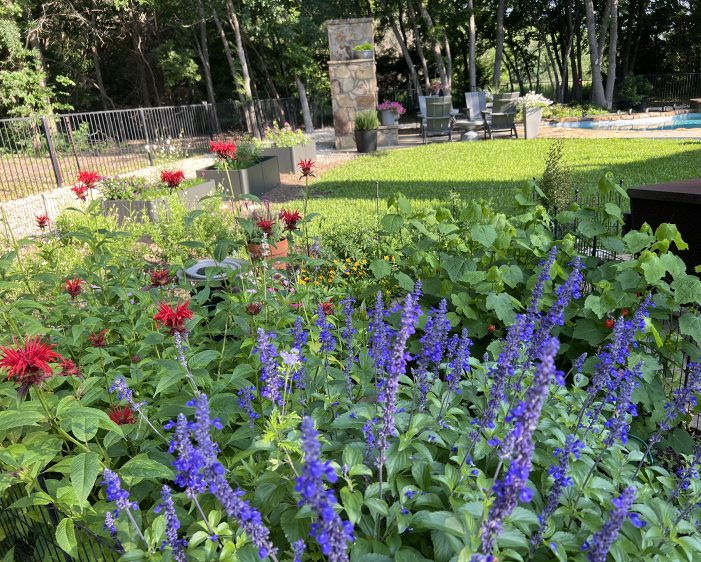
A simple plan for adding more native plants to your landscape.
ROCKWALL, TX (June 23, 2026) When summer rolls around in North Texas, there are a few realities that become abundantly clear. High temperatures and drought will likely stay with us for a while, and if you’re like me, water restrictions have become a part of life in your community. I like to regard this as a “glass half full” opportunity. With water conservation always top of mind, we have to safeguard every drop we can. The good news is that incorporating native plants in your landscape is a low-effort, high-return solution. Switching to native plants is one of the simplest things a homeowner can do to conserve water — and reap some bonus benefits in the process.
 What are native plants? Simply put, they are local, naturally occurring plants that have thrived in a given area for centuries. Native and adapted plants are so beneficial because they stand up to weather extremes, require much less supplemental water once established, and are more resistant to insects and diseases than non-adapted plants. When you factor in soil conditions and our climate in Rockwall County, choosing natives can be a game-changer.
Why native plants use less water. Native plants are inherently resilient. When established appropriately, native and adapted plants develop deep root systems, needing less supplemental water than non-native plants and turf grasses. They have the ability to withstand periods of drought as a result of their extensive root systems, ability to store water, and seasonal dormancy — depending on the type of plant and growing conditions. Reimagining a portion of your landscape from turf grass to native plants can make a real difference. Studies show native landscapes can use up to 50% less water than traditional lawns. Additional benefits to reducing your lawn area –– no fertilizer and no herbicide applications required. (Turfgrass has shallow root systems and requires heavy nitrogen and phosphorus applications. Native plants access nutrients naturally found in local soil through their deep root systems. Turfgrass requires multiple applications per year of herbicides. Native landscaping will fill in to out-compete invasive weeds). We transitioned a small area of our backyard from turf to native plants a few years ago. Each year we’ve expanded the space and are delighted with the results: lower water consumption, resulting beauty, and thriving pollinator activity!
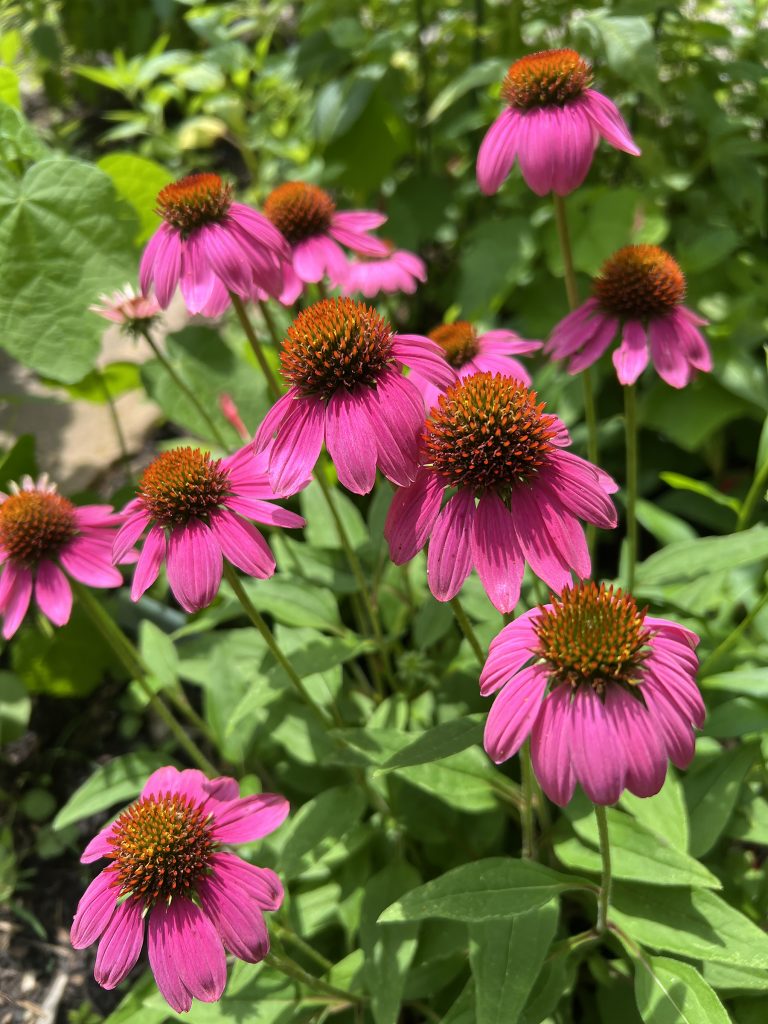 Getting started is easy. The good news? You don’t have to overhaul your entire yard at once.
Step 1 – Assess Your Space: sun exposure, soil type, drainage.
Step 2 – Start Small: Transition one section of your lawn to a native bed. Prepping your bed may require removing turf, tilling, and amending with compost and expanded shale, depending on soil conditions.
Step 3 – Choose the right plants. Select a few native plant groupings that will thrive in Rockwall County. Visit the Rockwall County Master Gardeners website for a curated list of proven native plant varieties and favorites. (txmg.org/rockwall/texas-native-plants)
Step 4 – Fall is the ideal time to plant. With slightly cooler temperatures and soils still warm, your new plants will have time to establish deep root systems in advance of spring bloom time and summer heat that follows.
Step 5 – Water to establish, and don’t forget to mulch. Natives need regular watering the first season, then minimal intervention. Mulch helps protect plants and reduce water needs.
Beyond saving money and conserving water, the bonus benefits of adding natives to your landscape are many. The pollinator activity is a standout feature — the bees, butterflies, and birds are abundant, along with beautiful and interesting textures and blooms. On the practical side, there is less maintenance overall, increased curb appeal, and potentially higher property value.
Rockwall County Master Gardeners are eager to discuss Texas native plants or any gardening question you may have. Find us at Rockwall Farmers Market every Saturday. You can Ask A Master Gardener in-person, Wednesdays, 10am to noon at the AgriLife Extension Office, 915 Whitmore Dr., Suite B — or on the first and third Wednesdays of the month at Rockwall County Library, 10am to noon. Call 972-204-7660 or email rockwallmg@ag.tamu.edu and a Master Gardener will respond to you in a timely manner.
Article by Linda Gates, Rockwall County Master Gardener.

Tips from Rockwall County Master Gardeners to Plant Smart, Water Less added by Editor on
View all posts by Editor →