








ROCKWALL COUNTY, TX (Aug. 11. 2026) I never thought I would become one of the “worm ladies” in the Master Gardener Program in Rockwall County. There are only two of us – one a 20+ year veteran worm composter, and me, a relative novice. Looking back, though, I suppose it was inevitable that I would spend many hours passionately talking with the public about the benefits of using Eisenia fetida (affectionately known as red wiggler worms) to turn food scraps into garden gold.
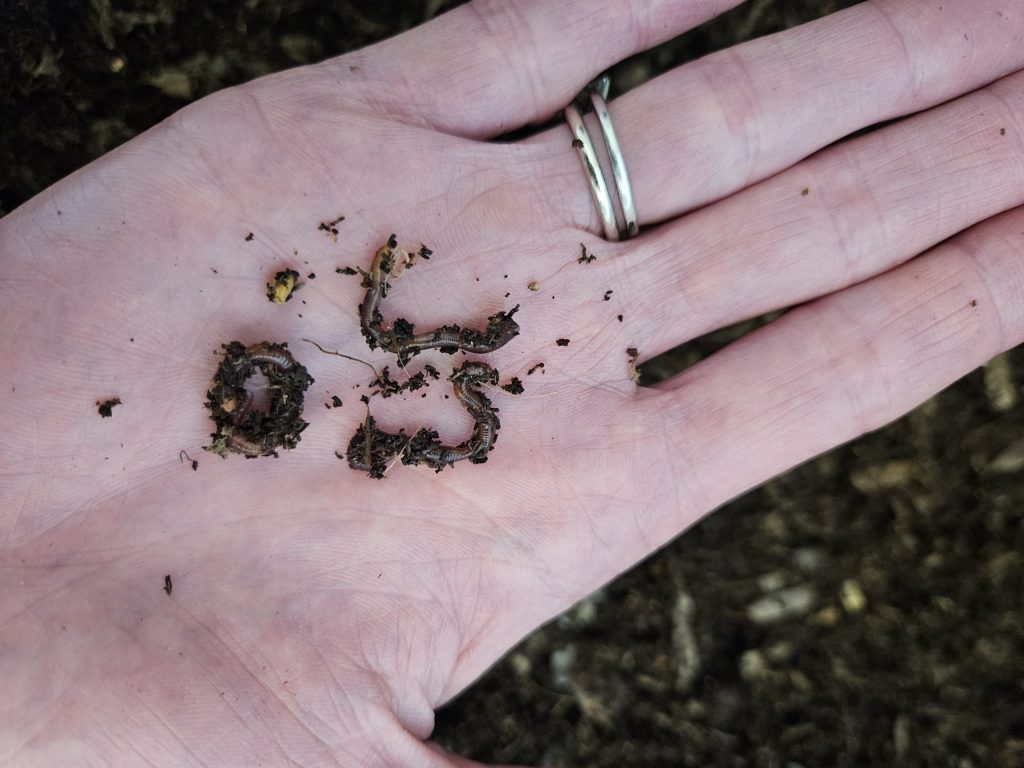 My curiosity about vermiculture started accidentally, much like my interest in gardening in general, while volunteering in the garden program at my kids’ elementary school in Plano. One semester, the fifth-grade teachers asked for funds from the garden budget to buy a worm composting bin as part of the science curriculum. Later that year, I became the “babysitter” during winter break for the hundreds (maybe thousands) of worms inhabiting the bin. The worms hung out in the corner of our breakfast nook, and I tried my best to keep them alive until the kids and teachers returned to school.
That experience piqued my interest, and years later I decided to use my Master Gardener intern presentation to explore the topic further. My fate as a worm lady was sealed. I’ve decided to embrace the fact I have what some would consider a strange hobby. What I hope to do in the remaining lines is spark a bit of curiosity about the weird but wonderful world of worm composting.
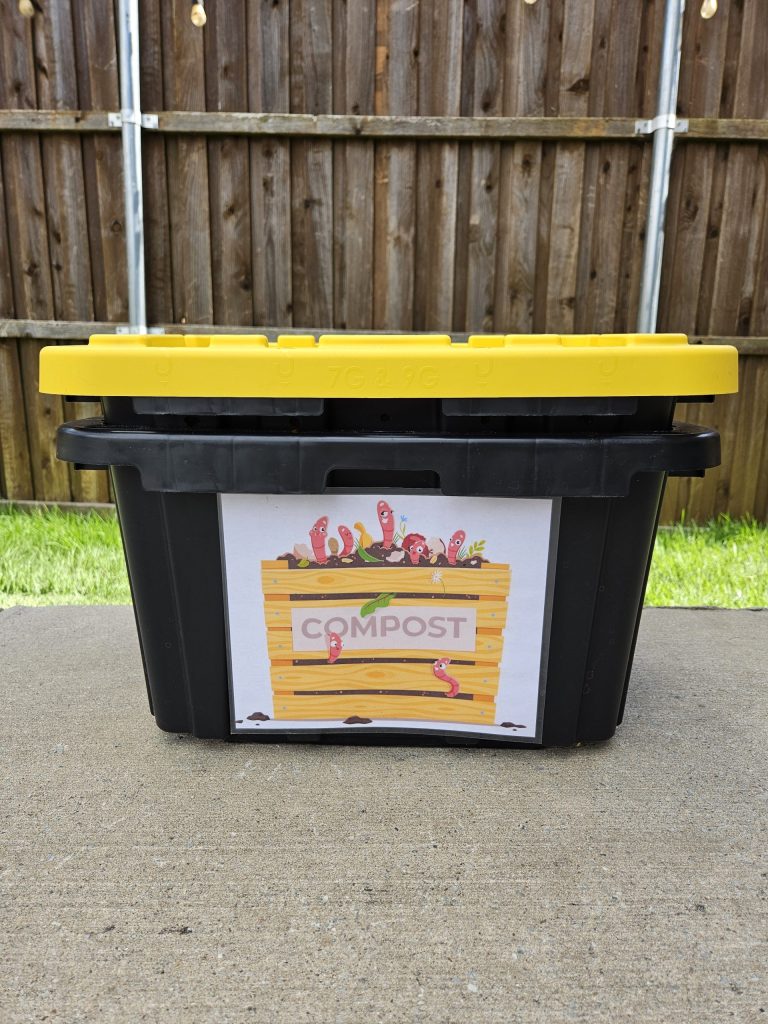
For anyone without the space or desire to practice traditional hot composting, worm composting is an excellent alternative that requires very little time, space or monetary investment. With a couple of opaque plastic storage bins, some shredded newspaper, a spray bottle for water and some red wiggler worms, you can recycle food scraps such as carrot peels, strawberry tops, coffee filters, wilted lettuce and eggshells into a nutrient-rich soil amendment for the flowers and veggies in your garden. You can get as nerdy as you want with worm composting! There are many wonderful articles online published by Master Gardener and Extension Service programs to indulge your academic curiosity: pH range, ideal temperature for optimal reproduction, percentage of moisture in the bedding material, number of worms per cubic foot of bin space and worm anatomy. However, high precision is generally not required to successfully maintain a worm composting bin at home. In my experience, the most important factors are proper airflow and drainage, location to prevent unwanted pests and maintain moderate temperatures, keeping the bedding material moist (think damp sponge) and of course providing the right food scraps on a consistent basis.
Need more convincing to give worm composting a try? First, the environmental impact. The USDA estimates that approximately 133 billion pounds of food waste ends up in landfills each year, taking up space and contributing to greenhouse gas emissions. Feeding food scraps to worms to produce compost instead of throwing them away helps protect our environment. Also, kids love worms! If you have children of any age in your home, worm composting is a wonderful way to help them connect with nature, better understand the role decomposers play in the environment and learn responsibility by helping to care for the bin. Plus, holding a squiggly worm or searching for tiny, lemon-like cocoons in the bin is fun!
Ready to get started? Check out our easy, how-to guide: https://txmg.org/rockwall/vermiculture-worms/
Save the date! Rockwall County Master Gardener Fall Plant Sale. Shop in person on Saturday, October 10th, 9am to 2pm, Rockwall County Courthouse, 1111 E. Yellowjacket Lane. Online catalog opens on September 22nd, order pickup on October 10th. Featuring favorite fall/winter annuals, native and adapted perennials, shrubs, and a fantastic selection of our very own “Master Gardener Grown” vegetables and plants. Watch for more information at txmg.org/rockwall.
Article and photos by Jen Garvin, Rockwall County Master Gardener

Rockwall County Master Gardeners: The Weird and Wonderful World of Worm Composting added by Editor on
View all posts by Editor →