







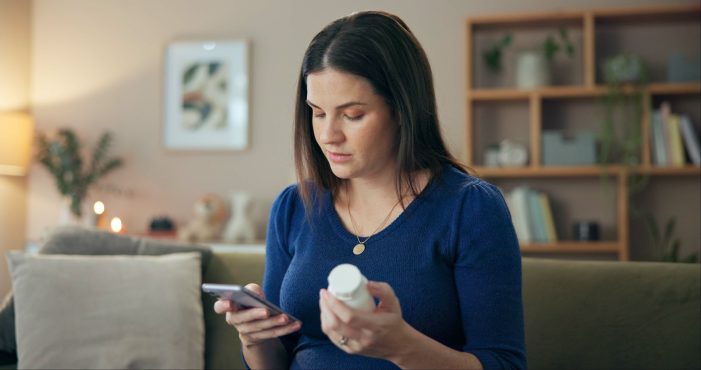
ROCKWALL COUNTY, TX (Aug. 18, 2026) For over twenty years, doctors have held a not-so-well-disguised resentment for “Dr. Google.” A patient comes to their visit wielding a printout or screenshot from the internet detailing the horrible afflictions with which they have self-diagnosed, expecting us to confirm their worst suspicions. But move over, “Dr. Google,” because there is a hot, new adversary that modern doctors must contend with: “Dr. TikTok.”
As an OB/GYN, I would argue that pregnant women are particularly vulnerable to the constant stream of TikTok medicine. The second you Google, “Is this normal in pregnancy?” suddenly your entire “For You Page” is flooded with unsolicited advice about pregnancy and parenthood from every dark corner of the internet. A generation ago, many first-time mothers went to their prenatal care visits practically blind. Now, they have an army of influencers at their backs telling them everything from what to eat in pregnancy to when to induce. I know of several doctors who have bristled when their patients bring them birth plans they printed from an influencer on TikTok. I welcome this change and encourage my patients to bring a list to each visit of everything they learned on TikTok since the last one.
That is not to say that I’m unconcerned about misinformation. The internet is filled with very vocal, not always qualified individuals presenting questionable medical advice as gospel. Even so, there are also amazing, inspiring healthcare providers who are working tirelessly to combat misinformation. Whenever a patient mentions that they learned something new on TikTok, I steel myself, worried about what new TikTok childbirth sensation they may have discovered. No matter the source, however, I’m grateful they trusted me enough to discuss their online research. Shutting down these conversations doesn’t stop patients from seeking information online; it only ensures that we aren’t part of the conversation.
At the end of the day, it is not our job as physicians to tell patients what to do, especially when it comes to the deeply personal choices related to childbirth. Our job is to explain their options, discuss the risks and benefits, and empower them to make decisions for themselves. In that same vein, I’m never going to tell a patient, “Don’t trust TikTok” or “Don’t Google your symptoms.” Instead, I encourage my patients—and anyone who will listen—to find a provider they trust, one they can go to without shame to discuss what they’ve heard on the internet. I often tell my patients there are no dumb questions and there is no such thing as TMI to a gynecologist. In the TikTok era, I’d add: there’s no TikTok too ridiculous to bring to your OB/GYN.

Woman to Woman with Dr. Taylor Gray Wlazlo
Woman to Woman is a Blue Ribbon News guest column featuring practical, approachable women’s health education from special contributor Dr. Taylor Gray Wlazlo, an OB/GYN with Lake Pointe Women’s Center. Through the column, Dr. Gray addresses common questions and topics affecting women through different ages and stages of life, with an emphasis on helping readers better understand their health and the conversations they may want to have with their own healthcare providers.
Dr. Taylor Gray Wlazlo was born and raised in Houston, TX. She studied creative writing and pre-med at Columbia University before returning to Texas, where she completed her medical education and training at Texas Tech in Lubbock. She has settled here in Rockwall, where she practices obstetrics and gynecology and is passionate about providing women with approachable, evidence-based information to help them make informed decisions about their health. Outside of medicine, Dr. Gray is married to an engineer and is mom to three beautiful children and two dogs.
Dr. Gray sees patients in Rockwall at Lake Pointe Women’s Center, 3142 Horizon Road, Suite 209.
Learn more at drtaylorgray.com.
The information provided in Woman to Woman is for general educational and informational purposes only and is not intended as medical advice, diagnosis or treatment. Readers should consult their healthcare provider regarding their individual health needs and concerns.

Woman to Woman with Dr. Taylor Gray Wlazlo: ‘Move Over, Dr. Google’ added by Editor on
View all posts by Editor →