





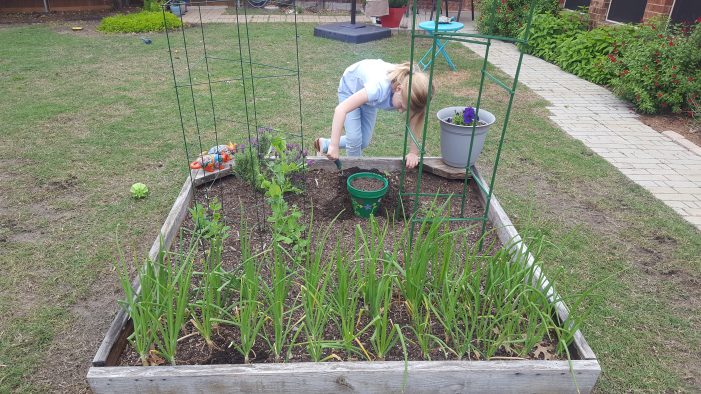
ROCKWALL COUNTY, TX (May 12, 2026) I was one of those moms who did everything “right” when it came to feeding my daughter during her toddler years. My only child, only one chance to get this right! We ate the rainbow, grew our own vegetables, and picked cherry tomatoes straight off the vine. I read over and over that if kids participate in growing veggies, they will want to eat them! I took pictures of her in our garden watering peas and carrots, wearing cute sunhats and sunglasses. My only child was going to be the most well-rounded eater in preschool! Fast forward… and somehow, she’s become one of the pickiest eaters I know—who saw that coming?? But were those formative years in the garden wasted? Absolutely not.
The effects of gardening on youth development have been widely studied across fields from medicine and psychology to education and environmental science. Across these interdisciplinary fields, the results are overwhelmingly consistent: Gardening supports children’s development in powerful and lasting ways.

Mind
Gardening supports cognitive development and critical thinking. It naturally reinforces academic concepts in math and science while helping children build environmental awareness and an understanding of how natural systems work.
 Body
Body
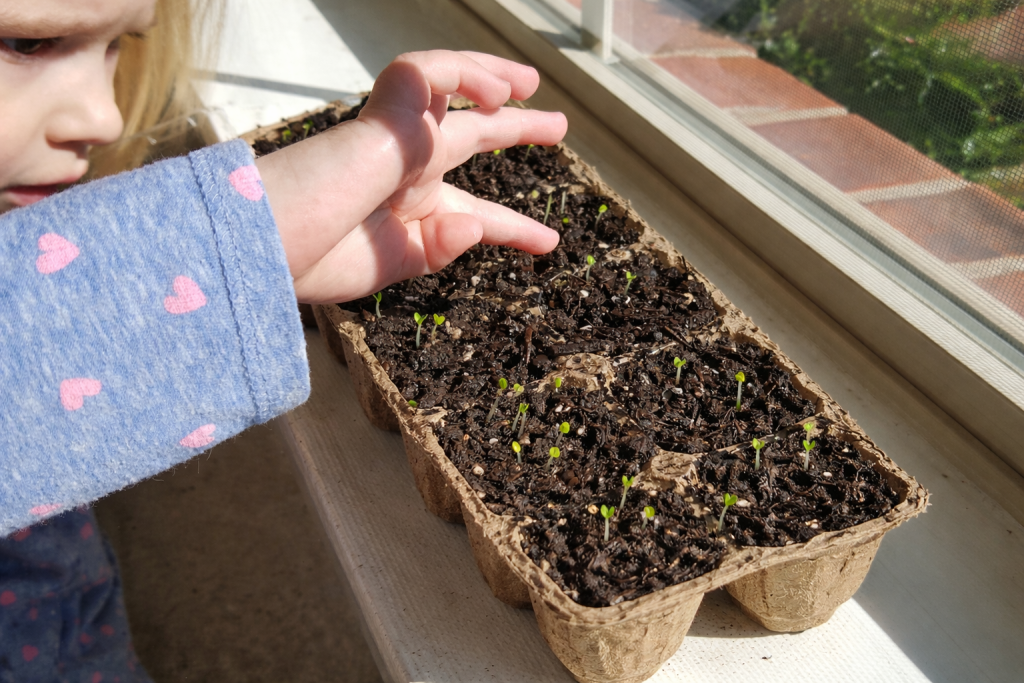
Hands-on gardening supports physical development, motor skills, and sensory processing through a variety of textures, smells, and sounds. The “heavy work” of digging, lifting, pushing, and pulling builds coordination and strength while helping children feel calm and focused.
 Soul
Soul
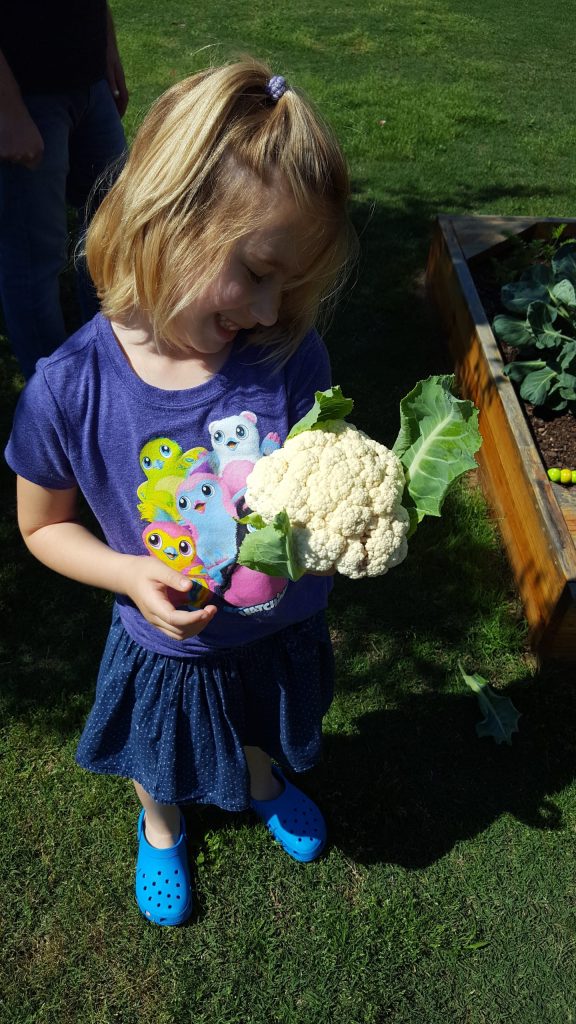
Beyond academic and physical activity, gardening nurtures children’s emotional well-being. Time in the garden can improve mental health, support emotional regulation, and build patience. Gardening also fosters self-esteem, resilience, and social skills, especially when children work alongside family members, friends, or classmates.
I’m reminded of all this every time I volunteer with the Rockwall County Master Gardener Youth Education program. I witness the joy on a young gardener’s face when a seed they planted finally sprouts. I see the frustration when a plant doesn’t grow, but then I see problem solving, persistence and patience as they try again. I see children who think they can’t garden because they don’t have a yard gain the confidence to grow vegetables in a container on their porch.
So, if your child grows up to be a fussy eater like mine, you can still count on this: kids who garden are exploring STEM, building confidence, and learning skills that benefit them far beyond the garden—even if they’re doing it while munching on a box of Sour Patch Kids.
Looking for ways to incorporate gardening into summer break?
Kids love starting seeds and watching plants grow! Seed starting encourages critical thinking, math, and science skills as kids explore what plants need to survive, plant life cycles, measuring, counting, calculating, and problem solving (especially when plants don’t grow as expected). Visit our website to learn more about a simple, low-cost seed starting project using recycled egg cartons and get tips for starting a conversation with kids about what plants need to survive.
Look for Rockwall County Master Gardeners at the Rockwall Library this summer. We will be teaching a Junior Master Gardener course perfect for 3rd-5th graders incorporating hands-on math, science and language-based activities to encourage leadership, individual responsibility, community involvement, and critical thinking skills. Follow us on FB or visit our website for details at txmg.org/rockwall.
Article & photos by Michele Campbell, Rockwall County Master Gardener.

Gardening supports your child’s development in powerful and lasting ways added by Editor on
View all posts by Editor →