





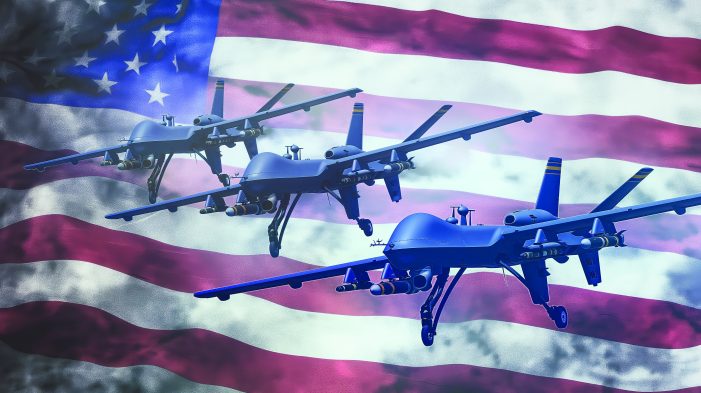
ROCKWALL, TX (June 30, 2026) – A Waymo invasion occurred on Battleview Drive in Atlanta, Georgia, recently. About 50 driverless and empty cars circled in and out of the cul-de-sac. No injuries occurred, and the car company responded with their commitment to improving service.
That same week, news outlets featured even more impressive technology available at high-end retail stores in China. Wealthy citizens can purchase a humanoid robot or perhaps choose a robotic pet (probably much more obedient than any dog we’ve ever had).
As we observe the nation’s 250th anniversary, we may wonder what advances the next 50 years will bring. The unknowns of our not-so-distant future suggest amazing yet frightful possibilities. We have a feeling that the world is increasingly under the control of someone—or something—else.
Few of us, though, would wish to trade the concerns of our times for the overwhelming challenges of the nation in 1776. George Washington and his ragged militia trudged through this year with one flesh-and-blood battle after another. They experienced several crushing losses before their memorable crossing of the icy Delaware River that ended the year with a surprise defeat over enemy troops.
The US eventually won the war against England yet faced fresh conflicts among her 13 divided states. Post-war debt was a main concern since it threatened bankruptcy that nearly derailed the fledgling nation. Further, weaknesses in the foundational principles of the Articles of Confederation necessitated the US Constitution, which would finally pave the way forward.
Times of war and financial crisis require strengths that today’s citizens might not be able to endure in our era of comfort and convenience. However, the heroes of America’s past might also shrink back from the current national threats.
As with our forefathers, disunity remains a thorn in Uncle Sam’s side. And much political in-fighting again relates to the national debt, which could shutter US operations both domestically and in the world. But add today’s fear factors of nuclear weapons and hard-to-control technology.
Long before our revolutionary times, another nation faced overwhelming obstacles in gaining their independence. Led by Moses, Israel’s crossing of the Red Sea was more miraculous than Washington’s crossing of the Delaware. Yet both leaders and nations would have lost heart if they’d known of the battles still ahead.
Moses’ successor, Joshua, instructed the people to keep their eyes on God, “in order that you may know the way you shall go, for you have not passed this way before” (Joshua 3:3, 4*). God’s very presence led the way, going before them in the ark of the covenant. We might wish for God’s visible guidance in this way, yet He has provided a better and lasting covenant available through Christ (Hebrews 7:22), and this Good News is for believers of every nation (Ephesians 3:6).
We’re encouraged to look to Jesus as we face whatever is ahead (Heb. 12:1, 2). And our nation benefits when we pray: “I urge that supplication, prayers, intercessions, and thanksgivings be made for all people, for kings and all who are in high positions, that we may lead a peaceful and quiet life” (1 Timothy 2:1, 2*).
Each generation faces unknown threats, but through Christ, God is not unknown. Jesus now sits at the right hand of God “in the heavenly places, far above all rule and authority and power and dominion, and above every name that is named” (Ephesians 1:20, 21*). If we will rightly fear God, we won’t overly fear our enemies.
Our peace and strength come from knowing that He reigns over every someone—and any something—out there.
*ESV Bible
 Faith Columnist Patti Richter writes and edits Christian faith articles and has co-authored Signs of His Presence: Experiencing God’s Comfort in Times of Suffering.
Read more of her essays at BlueRibbonNews.com.

Patti Richter On Faith: We Have Never Passed This Way Before added by Editor on
View all posts by Editor →